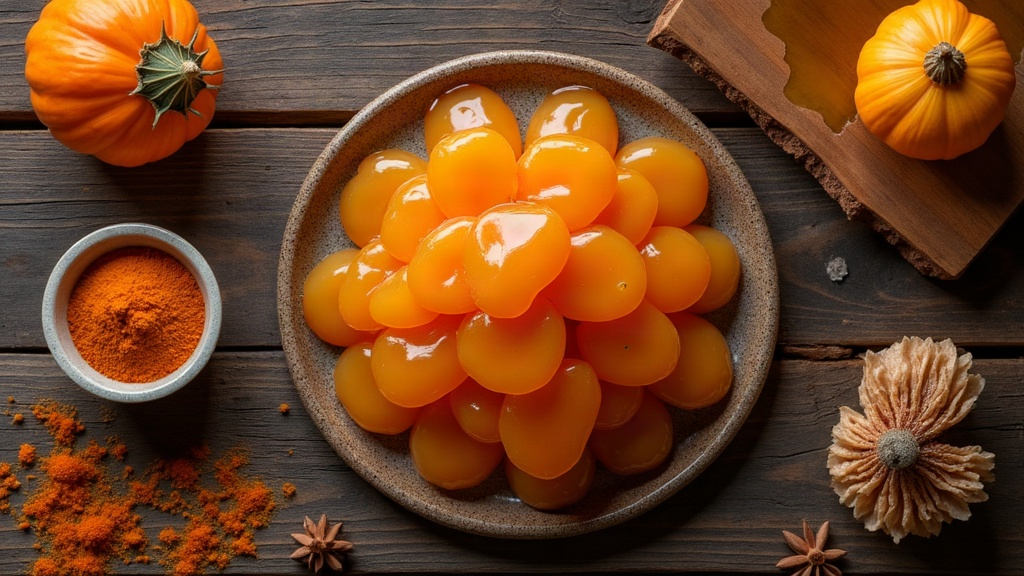
This guide looks at how traditional ingredients like Gelatin fit into daily routines many women build around collagen, satiety, and body composition — presented as an educational habit to understand, not a promise to expect.
Skin, joints, and appetite regulation rarely change overnight — but many women notice small shifts year after year, long before they ever think to ask why.
Collagen is one of the most abundant proteins in the body, and its production tends to slow gradually with age. Some women look at Gelatin — a cooked form of collagen — simply to understand how it fits into a daily food routine.
The way fullness is signaled and experienced can change over time, which is why some women pay closer attention to protein-rich choices at meals.
Body composition — the balance of lean tissue and everything else — tends to shift gradually, prompting many women to rethink how they approach daily nutrition.
Calorie-counting approaches designed decades ago don't always account for how a woman's body and habits evolve, leading many to look for simpler, more consistent frameworks.
There’s a lot of noise around metabolism and weight. Here’s a closer look at a few common claims.
Metabolism completely stops in your thirties.
Metabolic rate shifts gradually over time and is influenced by many factors, including muscle mass, sleep, and daily habits.
Cutting calories drastically is the only way to feel in control of your body.
Sustainable habits — like protein-rich choices and consistent meal timing — are commonly discussed alongside general calorie awareness.
Collagen only matters for skin.
Collagen is also found in connective tissue, joints, and muscle, which is why some women learn about ingredients like Gelatin beyond skincare routines.
No extremes, no overnight fixes — just a structure for noticing patterns and building consistency.
Before changing anything, many women start by simply observing hunger cues, energy levels, and sleep quality over a couple of weeks.
From bone broth traditions to gelatin-based recipes, some women explore protein sources that have been part of kitchens for generations.
Small, repeatable habits tend to stick better than dramatic short-term changes — consistency is the framework, not perfection.
Long before macronutrient tracking apps existed, kitchens across cultures relied on slow-cooked bones and connective tissue to make broths, stocks, and gelled dishes. Grandmothers in Eastern Europe simmered bone broth for hours. French kitchens built entire techniques around gelatin-rich stocks. These weren’t wellness trends — they were simply how food was made, and little went to waste.
The insight many women rediscover today: whole-food traditions often included ingredients that modern, ultra-processed diets quietly left behind.
A predictable slump a few hours after lunch is one of the most commonly mentioned patterns among women exploring their daily habits.
Brittle or slow-growing nails are frequently brought up in conversations about protein and connective tissue support.
Feeling hungry again shortly after a meal — or not hungry at expected times — is a pattern many women start to track.
Morning stiffness or joint awareness during exercise is often mentioned by women looking into connective tissue health.
Changes in skin elasticity and texture are among the most commonly discussed shifts tied to collagen conversations.
Weight fluctuations that don't match diet or activity changes often prompt women to look more closely at body composition, not just the number on a scale.
Testimonials reflect individual experiences and personal opinions. They are not a guarantee of any outcome, and individual results may vary.
Hydrolyzed gelatin is gelatin that has been broken down into smaller protein fragments, often used in food and educational contexts to discuss collagen-related habits.
Gelatin is derived from collagen through a cooking process. They are related, but not identical in form or how they’re typically used in the kitchen.
No. This content is educational only and is not intended to replace a varied, balanced diet or professional nutritional guidance.
Every body is different. It’s always a good idea to speak with a qualified healthcare professional before making changes to your diet or routine.
Gelatin has long been used in broths, stocks, gummies, and gelled desserts across many culinary traditions worldwide.
No. This is educational content only and does not diagnose, treat, cure, or prevent any condition.
The free video linked on this page walks through the topic in more detail. As always, consult a healthcare professional for personalized guidance.
Watch the free video to see how women are learning about Gelatin, collagen, and daily habits — presented in an easy-to-follow, educational format.
Advertising Disclosure: This page contains sponsored content and affiliate links. We may receive compensation if you make a purchase or take action through links on this page. This helps support the educational content we create.
Content Disclaimer: The content on this page is for educational and informational purposes only. It has not been evaluated by the FDA and is not intended to diagnose, treat, cure, or prevent any disease or condition. Always consult a qualified healthcare professional before making changes to your diet, supplement routine, or lifestyle.
Results Disclaimer: Individual results may vary. Any testimonials or examples shared reflect personal experiences and opinions and are not a guarantee of any specific outcome for any individual.
© 2026 · All Rights Reserved · /contact/